I don't like Wikipedia. As if to remind myself why, I read Wikipedia's
lower back tattoo page.
According to the online encyclopedia "
Women's lower backs are often viewed by people as an erotic body part, leading to the association of lower-back tattoos with sexuality. Lower-back tattoos are also perceived as an indication of promiscuity by some..."
Often viewed as erotic? Indication of promiscuity? Passive voice aside, I give the editors kudos for including everyone when they assert that it's
people who often view
women's lower backs as erotic.
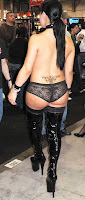 |
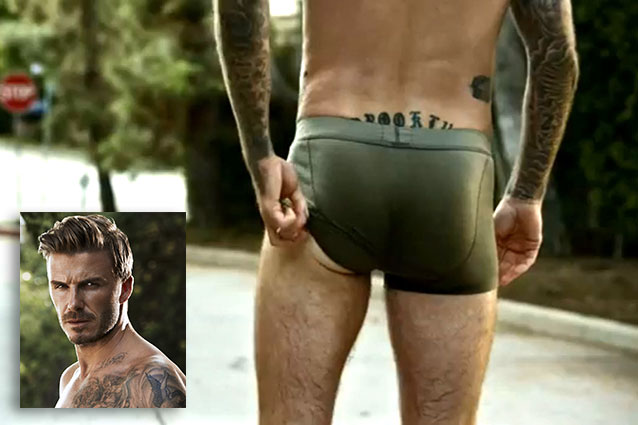
| Editors of Wikipedia kindly obliged readers with an image illustrating a typical promiscuous Western woman with a lower back tattoo. |
Sure, men have lower backs and they get tattoos there but that's not why the editors (or you) are here. So just pay no mind to the image below. It's not representative of Wikipedia and it has no business there.
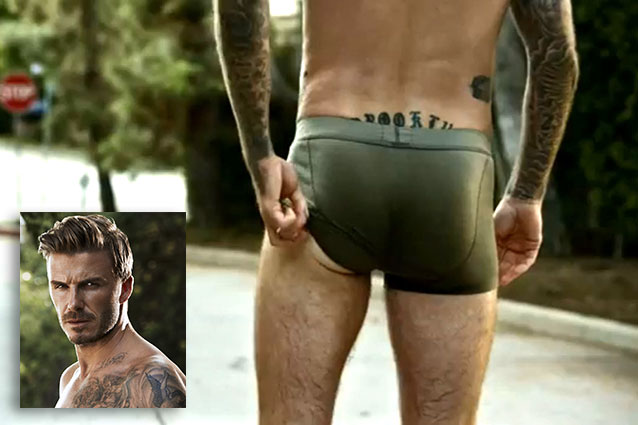 |
This tattoo is not "generally not done" says Wikipedia, avert your male gaze!
PS: Yes, that's David Beckham. |
Clicking deeper, to contextualize the many inaccurate and weird assertions, I found the talk page where exclamations like "
Fuck yeah, we need some more photos of hot chicks with tramp stamps" sit proudly unchallenged in perpetuity. Did Encyclopedia Brittanica have this kind of commentary in the annotations?
I deleted the promiscuity line, which seemed a modest edit, only to have it be reverted instantly. I repeated the gesture a couple more times and got the same result. Reverted. On my final attempt, I wrote solid rationale and amazingly the instant-reverter backed down.
One down, one innumerable army of sexist strangers to go!
By the next day, it was back (no pun inten
—OK, yeah, I meant that one). I wasn't surprised. Wikipedia pages are closely monitored by concerned scholars out to make sure we all know women with tattoos on their lower backs are perceived as sluts. It's noble when you focus on the effort and completely ignore the content.
Just what I like in my reference material: a big steaming hot cup of male gaze.
I have to ask, why is an
encyclopedia judging my tattoo
— no, my body
and my sexual proclivities? What if my tattoo is silly or artistic, or weird, or ugly, or classy, or meaningless? Maybe a better question is: if I can't trust Wikipedia to be reasonable, balanced or intelligent about this topic (not even sure why this is a page, honestly), what other yarns are they spinning which do us a disservice?
Out of curiosity, I sauntered over to the
Gamer page wondering if I'd see something similar, like "Gamers are often viewed by people as zit-infested, pale, awkward social losers who have no friends." No. There is, however, sections titled "girl gamers" and "gaymers" to underscore how they are different then default male gamers who, by the way, have no problems making and keeping friends.
Wikipedia is failing women, minorities, those with disabilities, the aged, gays, lesbians, transgender folks, etc, etc. etc. Like other parts of the internet, Wikipedia, by design, rewards aggro mobThink (don't look that up, I made it up), persistence, and seemingly endless fighting so it shouldn't be surprising that in 2013,
over 80% of Wikipedia’s editors are young, white, child-free men...their perspective is what largely dominates how information is organized, framed and written - Forbes
In response to the huge gap, in 2011, the Wikimedia board created a task force and set a goal, to raise the percentage of female editors from about 10% to 25%.
How did they go about it?
Did they rethink or redesign the experience? Was there any effort made to punish or discourage the crappy behavior Wikipedia had been ignoring or rewarding? Did Wikipedia's staff make thoughtful examination at how the community, site, space experience and system is designed to fail and how they could change it? Nah, they made the site easier to edit (get your content reverted/deleted) and like a lot of broken systems, the disenfranchised are
encouraged to fix it themselves by:
- Start editing now!
- Join a wikipedia edit-a-thon!
In other words, man up, get with the brogram, and jump into the pit of snakes, wolves and bears. Sure, the climb is uphill and you'll be bit, scratched and attacked for your edit. But with the right attitude (and friends to hack with!) grit and leisure time, your tiny edit might survive the thunder dome that is Wikipedia. But probably not.
Outside of Wikipedia's suggestion to be like Sisyphus, I founds sites that provided more disturbing and likely realistic tips :
- Hide your gender, race (etc.) so you can guard against the racism/sexism/etc. from your fellow editors
- Pick your battles wisely (for example: avoid the word feminist, it's sure to get a revert)
It's 2016; five years after the goal was set. The progress? Ninety percent of wikipedia editors are still men.
If Wikipedia doesn't get that community management and experience design shapes the very behavior it purports to abhor, if nothing they've done has had a significant impact then I can only conclude they either don't really care enough or aren't competent enough to build an inclusive, trustworthy, knowledgable community encyclopedia.
Either way, I don't trust Wikipedia.
Post scripts
- Wikipedia should get credit for being brave/bold/crazy enough to acknowledge the systemic issue and the story got huge traction getting picked up by the NYT, Slate, Forbes, etc (in 2011). It's good they were open. They even provide a very short page on Gender who's talk page is its own form of gender biased.
- The edit-a-thon groups are a pretty good idea, albeit are a drop in the bucket and even new articles which highlight prominent scientists face a community eager to delete the ladies. "I'm sorry who's she? I've never heard of her. Does she have a back tattoo?"